
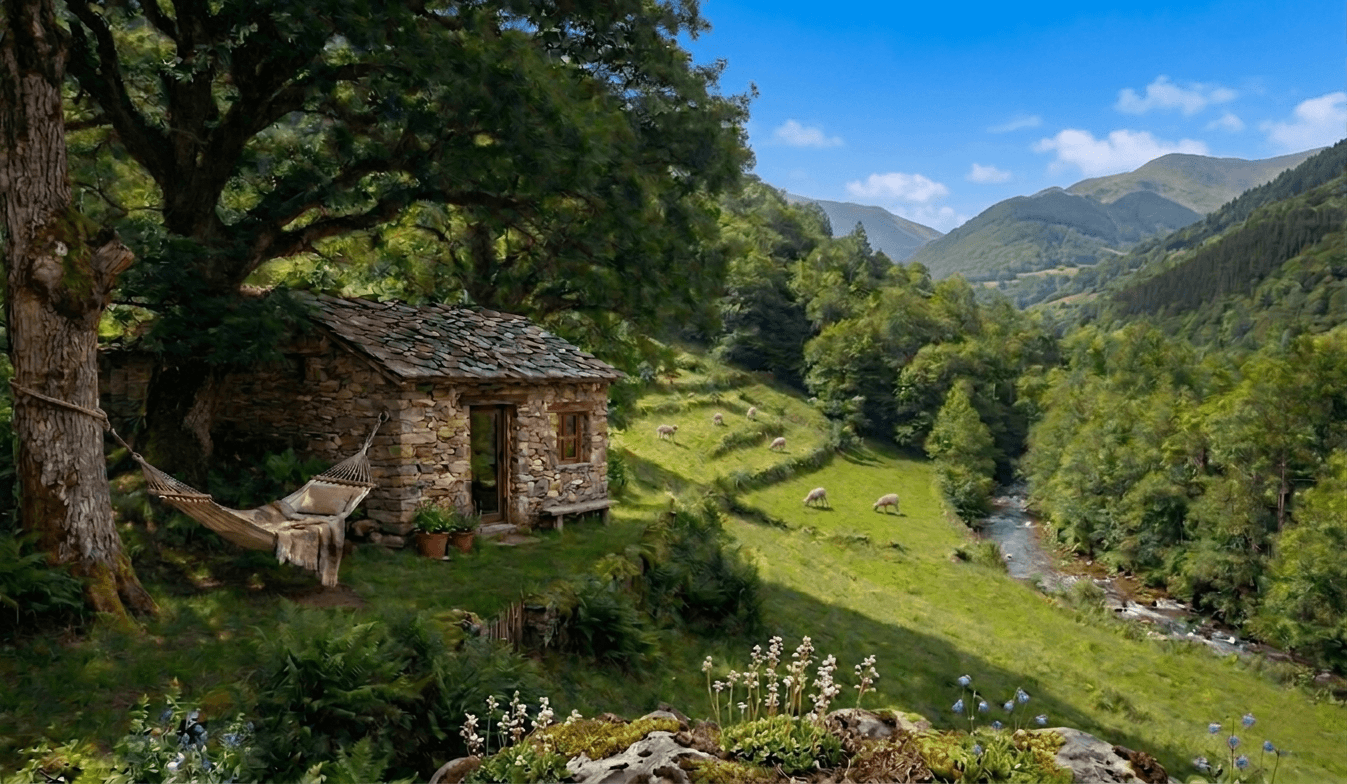




The climate factor and its effects on comfort, conditions for activities and environmental quality in Spanish tourist destinations.
Recent and rigorous studies linking tourism and climate in Spain conclude unequivocally that the impact of climate change will not reduce the number of journeys, but will redistribute them in a structural and lasting way. The regions of the Atlantic north and high mountain areas will be the great beneficiaries. Southern destinations and the islands will face a progressive loss of summer appeal, although in the short term they will partially maintain their demand, extended towards spring and autumn.
The climate factor determines destinations, seasons and activities that are possible and enjoyable in quality environments. When temperatures and overcrowding at a destination systematically exceed the traveller’s comfort threshold, that destination loses competitiveness. Demand does not disappear: it shifts towards territories where climatic conditions offer better prospects.
Those territories are the Atlantic north and the inland mountain valleys. Asturias in the first place, followed by Galicia and Cantabria, lead this repositioning as the main climatic refuges of Spanish and European tourism. The Pyrenees complete the map of destinations that emerge strengthened from this process.
Longer and more temperate springs, cool summers that allow outdoor activity without thermal restrictions, and autumns that are consolidating as a second peak season. Hiking, adventure sports, biodiversity, quality surroundings with protected landscapes, gastronomy and cultural heritage: a comprehensive offer under climatic conditions that the Mediterranean can no longer guarantee.